C/ Juan Dominguez Perez, 37 - 2nd floor, 35008 - Las Palmas de Gran Canaria
Las Palmas Port Info
Las Palmas Ship Agency
Las Palmas Port Info
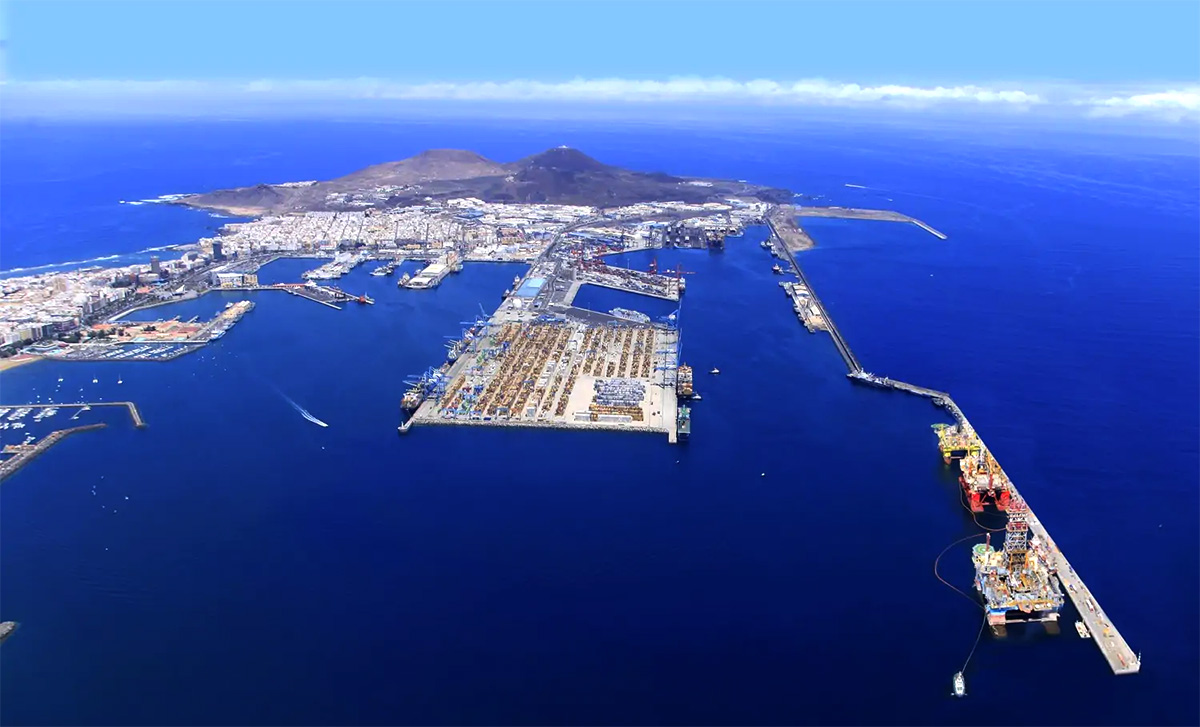
Las Palmas Port, officially known as the Port of Las Palmas, is one of the most important maritime hubs in the Canary Islands and a major service point for vessels operating between Europe, Africa, the Atlantic and other international trading routes. Its geographical position makes Las Palmas an important location for bunkering, ship agency, repairs, crew changes, spare parts, logistics and other vessel support services.
For shipowners, ship managers, operators, masters and technical superintendents, a port call in Las Palmas can involve much more than simply entering and leaving the port. Vessels may require fuel, crew services, technical attendance, provisions, spare parts, customs clearance, transportation, repairs or other husbandry services during their stay.
Our Las Palmas Port Info section is designed to provide practical information for vessels planning a call at Las Palmas and to explain the main services available through a local ship agency.
LAS PALMAS PORT LOCATION
Las Palmas is located on the northeastern coast of Gran Canaria in the Canary Islands, in the Atlantic Ocean. The port's position provides an important operational advantage for vessels trading between European, African and Atlantic routes.
The Port Authority of Las Palmas manages several ports in the province, including the Port of Las Palmas as well as other facilities in Gran Canaria, Lanzarote and Fuerteventura. Official port information identifies Las Palmas as a major Spanish port for bunkering and maritime traffic.
For vessels planning a port call, the location makes Las Palmas particularly relevant for fuel supply, technical services, crew logistics, vessel maintenance and ship supplies.
PORT SERVICES IN LAS PALMAS
A vessel calling Las Palmas can require a wide range of services depending on its operation and length of stay.
Through a local ship agency, shipowners and managers can coordinate:
- Port call and vessel clearance
- Ship agency services
- Bunkering
- Marine lubricants
- Crew change
- Crew transportation
- Spare parts delivery
- Customs and transit procedures
- Provisions and vessel stores
- Technical services
- Emergency repairs
- Shipyard and dry dock support
- Offshore and anchorage services
- Cash to Master
- Medical assistance
- Transportation and logistics
- Yacht and superyacht support
The Spanish port system uses a Maritime National Single Window through which information related to ship calls is declared, with Port Authorities acting as local access points.
BUNKERING IN LAS PALMAS
Bunkering is one of the most important maritime activities in Las Palmas. Official Spanish port statistics recorded approximately 2.6 million tonnes of bunker supply in 2024, with the port supported by fuel storage capacity, pipeline infrastructure, bunker barges and tanker trucks.
Ships calling Las Palmas can arrange marine fuel supply according to their operational requirements. A local bunker port agent can coordinate communication between the vessel, bunker supplier, terminal and other parties involved in the operation.
CREW CHANGE IN LAS PALMAS
Las Palmas is also an important location for crew changes.
Joining and departing seafarers may require airport transfers, accommodation, immigration-related formalities, local transportation, repatriation and coordination with the vessel.
A local ship agent can manage the shore-side logistics and coordinate the crew movement around the vessel's ETA and departure schedule.
Crew changes can also be arranged as part of a wider port call, repair period or anchorage operation where applicable.
SPARE PARTS AND CUSTOMS
International vessels frequently use Las Palmas to receive ship spare parts.
Parts may arrive by courier, air freight, sea freight or other logistics channels. Depending on the shipment, customs or transit procedures may need to be completed before the parts can be delivered to the vessel.
Our local ship agency can coordinate spare parts receiving, customs-related logistics, temporary storage, transportation and final delivery onboard.
This is particularly valuable for urgent technical spare parts where the vessel's departure schedule leaves little time for delays.
SHIP REPAIR AND TECHNICAL SERVICES
Las Palmas provides access to ship repair, maintenance, dry dock and technical services.
A vessel requiring repair may need more than the shipyard itself. Shipowners and managers may also require local agency support for technicians, riding squads, spare parts, customs, crew changes, transportation, accommodation and project logistics.
Our role is to coordinate these requirements locally and connect the vessel with the appropriate specialist service providers.
ANCHORAGE AND OFFSHORE SUPPORT
Not every vessel requiring services will be alongside.
Vessels may require support while waiting at anchorage or operating in offshore circumstances. Depending on the operation and applicable arrangements, services can include crew changes, spare parts delivery, bunkering coordination, technical attendance, provisions and other husbandry requirements.
Anchorage operations require specific planning because marine transfers, vessel position, weather and access arrangements can affect the delivery of services.
WHY APPOINT A LOCAL SHIP AGENT IN LAS PALMAS?
A vessel calling Las Palmas may have several different requirements at the same time.
The ship manager may be arranging spare parts. The master may require crew transportation. The technical superintendent may need a service engineer. The bunker buyer may be arranging fuel. The vessel may also require customs, transportation or shipyard support.
Managing all these requirements remotely can create unnecessary communication and delays.
A local ship agent provides one operational contact in Las Palmas who can coordinate the different parties and keep the vessel's management team informed.
LAS PALMAS PORT GUIDE FOR SHIPOWNERS AND MASTERS
Before your vessel arrives in Las Palmas, we recommend preparing the following information:
- Vessel name
- IMO number
- ETA
- ETD or expected port stay
- Berth or anchorage requirement
- Crew change requirements
- Bunkering requirements
- Spare parts shipments
- Customs requirements
- Technical or repair requirements
- Provisions and stores
- Transportation requirements
- Any urgent or special service
Providing this information in advance allows the local agency to prepare the required arrangements before the vessel arrives.
YOUR LOCAL SHIP AGENT IN LAS PALMAS
If your vessel is calling Las Palmas, you do not need to coordinate every local requirement separately.
We provide professional local ship agency support covering port calls, bunkering, crew changes, spare parts, customs, logistics, technical services, shipyard attendance, anchorage operations and general vessel husbandry.
Our objective is straightforward: fast communication, practical solutions, competitive local costs and complete coordination.
Whether you are a shipowner, ship manager, vessel operator, master or technical superintendent, contact us before your vessel arrives in Las Palmas.
Send us the vessel name, IMO number, ETA and required services, and we will coordinate the local support required for your port call.