C/ Juan Dominguez Perez, 37 - 2nd floor, 35008 - Las Palmas de Gran Canaria
Las Palmas Port Guide
Las Palmas Ship Agency
Las Palmas Port Guide
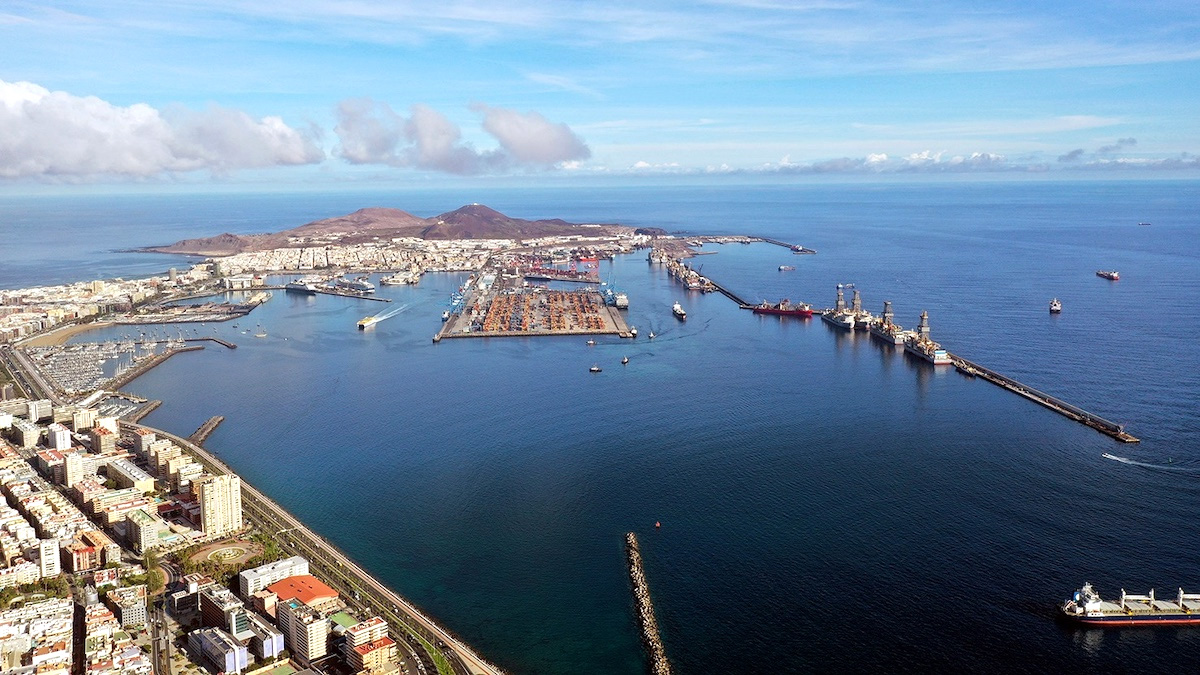
The Port of Las Palmas is one of the principal maritime service hubs in the Canary Islands and an important port of call for vessels trading across the Atlantic, Europe and West Africa. Its geographical position, maritime infrastructure and wide range of ship services make Las Palmas an important location for bunkering, repairs, crew changes, spare parts, logistics and vessel husbandry.
This Las Palmas Port Guide is prepared for shipowners, ship managers, vessel operators, masters, chief engineers, technical superintendents, crew managers and other maritime professionals planning a vessel call at Las Palmas.
The purpose is to provide practical information about the port and explain the main services that may need to be arranged before, during or after a vessel's call.
LAS PALMAS PORT LOCATION
Las Palmas is located on the northeastern coast of Gran Canaria in the Canary Islands.
Official Ports of Spain information gives the approximate position of Las Palmas as:
Latitude: 28°09′ N
Longitude: 15°25′ W
The Port Authority of Las Palmas manages the ports of Las Palmas, Arinaga and Salinetas in Gran Canaria, as well as the ports of Arrecife in Lanzarote and Puerto del Rosario in Fuerteventura.
Its Atlantic position makes Las Palmas an important service point for vessels operating between European, African and transatlantic routes.
PORT INFRASTRUCTURE
The official port information lists approximately 22,363 metres of quay line and a maximum depth of 26 metres for the Port of Las Palmas. The port handles different cargo categories including dry bulk, liquid bulk, containers and general cargo.
For vessel operators, this means Las Palmas can accommodate a broad range of maritime activities, from commercial cargo operations to technical attendance, bunkering and ship repair support.
Before arrival, the master or vessel operator should confirm the assigned berth, expected port stay, operational restrictions and any special requirements with the appointed local agent.
PORT CALL AND SHIP AGENCY
A successful port call requires coordination between the vessel, Port Authority, terminal, customs, immigration, service providers and other local parties.
A local ship agent can coordinate the port call before the vessel arrives and remain in communication with the master throughout the operation.
Typical agency requirements include:
- Pre-arrival documentation
- Port call formalities
- Arrival and departure coordination
- Customs and immigration matters
- Crew documentation
- Port services
- Husbandry
- Bunkering
- Spare parts
- Transportation
- Technical assistance
- Shipyard coordination
- Departure formalities
Spain operates a Maritime National Single Window for information relating to ship calls. Puertos del Estado states that ship-call information is communicated through this system and made available to the relevant Spanish authorities, with Port Authorities acting as local access points.
BUNKERING IN LAS PALMAS
Bunkering is one of the key maritime activities associated with Las Palmas.
Official Ports of Spain information describes Las Palmas as a major Atlantic fuelling station and identifies it as Spain's leading port for bunkering.
Vessels may arrange marine fuel according to their operational requirements, including coordination with bunker suppliers and other parties involved in the fuel operation.
A local bunker agent can assist with supplier communication, vessel attendance, operational coordination and documentation.
CREW CHANGE
Crew changes are another important requirement for vessels calling Las Palmas.
A crew change can involve:
- Airport pickup
- Crew transportation
- Immigration-related formalities
- Hotel accommodation
- Sign-on and sign-off
- Repatriation
- Flight coordination
- Marine transfer arrangements where required
Crew planning should be started before arrival whenever possible, particularly when the vessel has a short port stay.
SPARE PARTS AND CUSTOMS
Las Palmas is also used by vessels receiving spare parts during their port calls.
Spare parts can arrive through courier, air freight, sea freight or other logistics channels. Depending on the shipment, customs or transit procedures may need to be coordinated before the cargo can be delivered to the vessel.
A local ship agent can coordinate:
- Shipment receiving
- Shipment tracking
- Customs coordination
- Transit procedures
- Temporary storage
- Local transportation
- Port access
- Delivery onboard
For urgent technical spare parts, providing the vessel's ETA and expected delivery time in advance can help the local agent organize the operation efficiently.
ANCHORAGE AND OFFSHORE SERVICES
Not every vessel requiring assistance will be alongside.
Ships may wait at anchorage or require services connected with offshore operations. Depending on the operational circumstances and applicable port arrangements, services can include crew changes, spare parts, provisions, bunkering coordination, technical attendance and transportation.
Anchorage operations require additional planning because the vessel's position, marine transfer arrangements, weather and sea conditions can affect how services are delivered.
SHIP REPAIR AND DRY DOCK
Las Palmas has an established ship repair sector serving commercial vessels, offshore units and other maritime assets. The port's ship repair industry has also been associated with offshore oil and gas activity and repair services for platforms and drillships.
When a vessel enters a repair period, the shipowner or manager may require additional agency support for:
- Spare parts
- Customs
- Technicians
- Riding squads
- Crew changes
- Transportation
- Accommodation
- Surveyors
- Shipyard coordination
- Emergency requirements
Appointing a local ship agent can simplify the coordination of these activities during the repair period.
PORT SERVICES FOR SHIPS
Depending on the vessel's requirements, services available through local coordination can include:
Bunkering
Marine fuel and lubricant supply coordination.
Crew Change
Joining, sign-off, transportation and repatriation support.
Spare Parts
Receiving, customs, forwarding, transportation and onboard delivery.
Technical Services
Coordination of technicians, engineers, repairs and emergency assistance.
Shipyard Support
Agency and logistics support during repair, maintenance and dry dock periods.
Husbandry
Provisions, stores, cash to master, transportation and general vessel requirements.
Anchorage Services
Crew, spare parts, technical and other services for vessels outside the berth where operationally feasible.
WHAT TO SEND YOUR LAS PALMAS SHIP AGENT
Before appointing an agent, it is useful to provide:
- Vessel name
- IMO number
- Flag
- ETA
- ETD
- Last port
- Next port
- Cargo operation
- Berth or anchorage information
- Crew change requirements
- Bunkering requirements
- Spare parts shipments
- Customs requirements
- Technical requirements
- Shipyard requirements
- Any urgent services
With this information, the local agent can prepare the port call and identify the services that need to be arranged before arrival.
LAS PALMAS PORT GUIDE FOR MASTERS AND OPERATORS
For a vessel arriving at Las Palmas, early communication is important.
The more information provided before arrival, the easier it is to coordinate port formalities, crew, bunkering, spare parts, customs, transportation and technical requirements around the vessel's schedule.
Our team provides local ship agency support in Las Palmas for commercial vessels, offshore vessels and yachts.
If your vessel is calling Las Palmas, send us the vessel name, IMO number, ETA and required services.
We can coordinate the local requirements from pre-arrival through departure, providing one local contact for port agency, bunkering, crew changes, spare parts, customs, technical services, shipyard support, anchorage and vessel husbandry.